Stop late-stage cancer.
Stage Zero finds the people with an elevated risk of cancer and builds them a personalized precision screening plan. Our care team makes sure they complete it, catching cancer while it's most treatable.
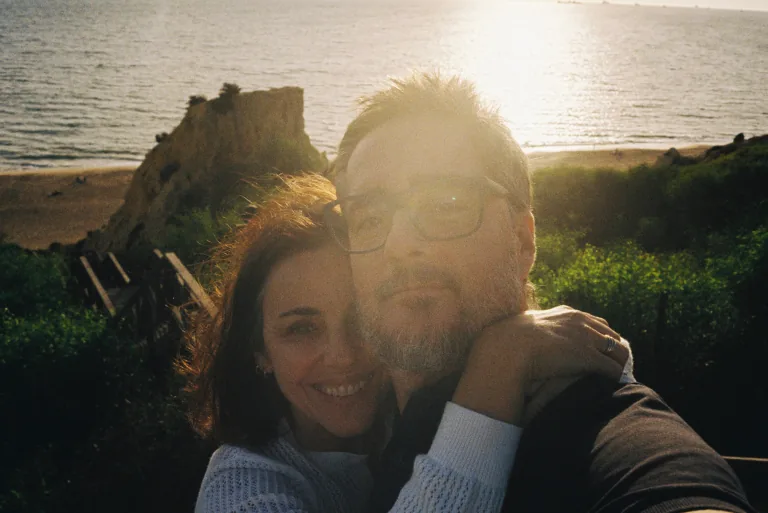
A family history of breast cancer at 61 moves your first mammogram to 35, not 40.
Booked · Sat 9:40 am. Alder Grove Imaging. In network, no referral needed.
Great news: your results came back clear. No cancer found. Next precision screening: March next year. Up to date
Three simple steps. Built on the benefits you already have.
Your health plan already covers the precision screenings. Your network already has the doctors. Stage Zero finds who needs which test and makes sure it gets done. Nothing to replace.
Employees start with a short health history: personal, family, and lifestyle. Under 10 minutes and not a single needle.
Each employee receives a precision screening plan and our care team makes sure they complete it using the coverage they already have.
Always up to date. Every result feeds back into the plan, so it adjusts as life changes. No one has to remember when their next precision screening is due.
Your workforceElevated risk, guided to precision screening
When cancer spreads, every second counts.
Harder treatment. More time away. Higher costs.
How early cancer is found can affect all three. Precision screening helps find it sooner.
Stage 0
Abnormal cells. Often detected through precision screening.

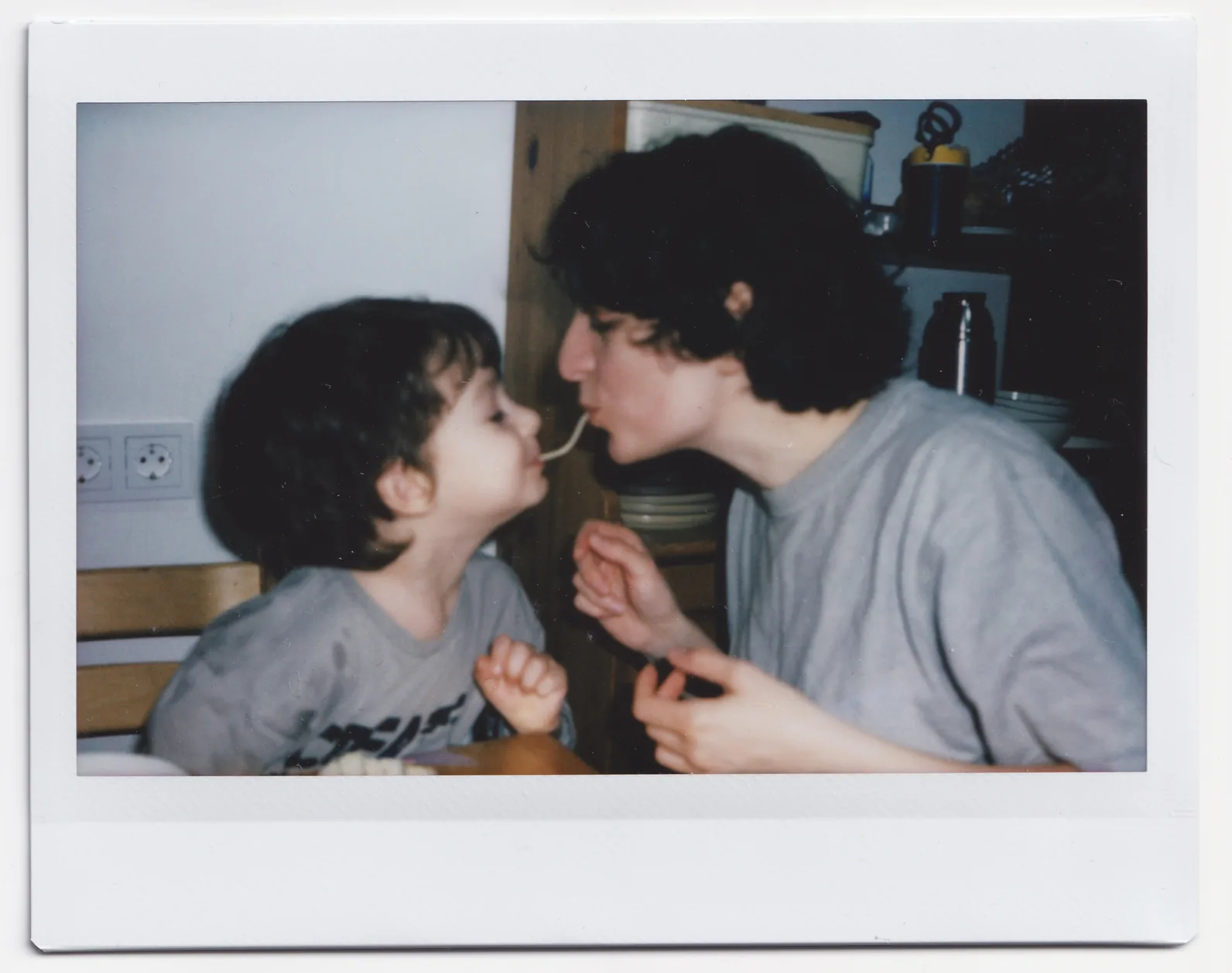
A father's colon cancer at 52 means her colonoscopy moves to 38 instead of 45.
You can’t change your family history. You can act on what it tells you.
A parent's diagnosis usually just sits there as worry. Stage Zero turns it into something useful: an earlier mammogram, a colonoscopy at 38 instead of 45. A plan instead of a fear.
A care guide who stays on it.
Every member gets a real person. Someone who finds the in-network appointment, handles the scheduling, and follows through until the precision screening is done.

Hi Maren, your mammogram is booked for Thu 8:20 am at Alder Grove Imaging. In network, no referral needed. Want a calendar invite?
Yes please. And thank you for handling the reschedule, that saved me a lunch break.
Results are in and reviewed: all clear. Your next precision screening is in 12 months. I'll check in before then.
Built for the people who own the decision, and the people who live with it.
Employers & HR leaders
Cancer is now the top driver of large health claims. Help your people catch it earlier, and get numbers you can show at renewal.
For employersBrokers & consultants
When a client asks about cancer, this is a clear answer. It runs on the plans and networks your clients already have, so there is nothing new to integrate.
For brokersEmployees & their families
A calm, clear place to understand your own risk and get the right precision screening. With your own doctors, at no cost to you. No scare tactics, ever.
For employeesWhat is your workforce's cancer risk and expected cost?
Late-stage cancer is the most expensive diagnosis in most health plans. Treating stage IV can cost up to 7.7 times more than stage I. Finding it earlier is better for your people and better for your business.
How it works →“Too many cancer stories begin with ‘we didn't see it coming.’ We built Stage Zero to help people understand their risk earlier and get the right precision screening done.”

Jonathan Roman · Founder & CEO · LinkedIn ↗
What benefits leaders ask us first.
Is this medical care?
No. We don't treat anyone, and we don't sell tests. We find who is at higher risk and help them get screened by their own doctors, on their own plan.
How do you know who's at risk?
A short questionnaire, checked against the same risk models used in leading cancer clinics. It stays current as age, health and family history change.
What does the employer see?
Group numbers only: how many people took the assessment, got screened and were followed up. Never anyone's personal results.
Does this replace anything we have?
No. It works on top of the plan and vendors you already have. Nothing to rip out, nothing to integrate.
What does it cost, and how fast can we start?
A simple monthly price per employee. We share full pricing in the first conversation. Launch takes weeks: an employee list and a communications plan.
For benefits leaders: new preventive care rules require health plans to cover precision screening navigation. Get the checklist →
See how Stage Zero would work for your population.
In 30 minutes, we'll show the member experience, the precision screening workflow, and the reporting your team would receive.
Choose a time to talk with Jonathan, or wait for our follow-up.
Choose a time with Jonathan (opens in a new tab)